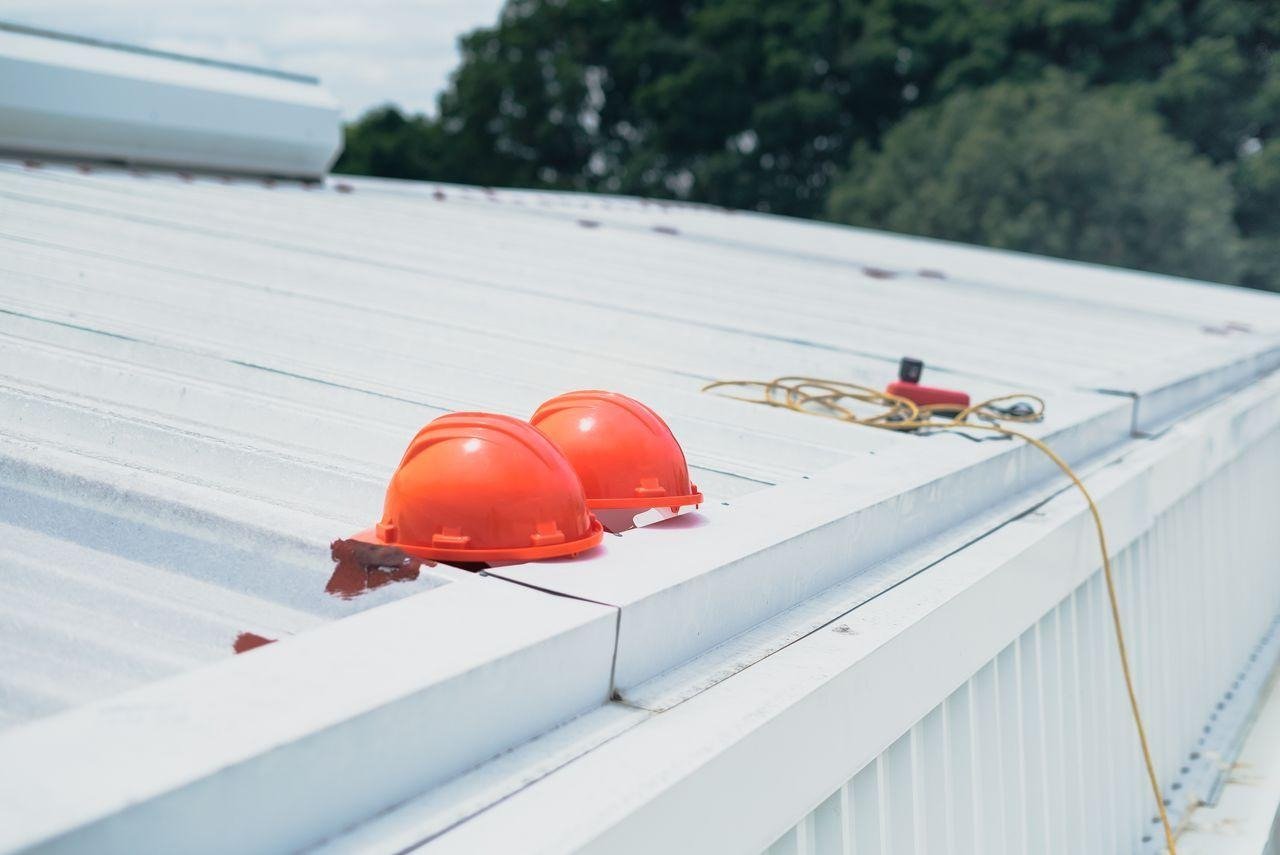
Water is the single most destructive force facing any residential home. It doesn’t throw a sudden punch like a falling tree limb; instead, it wages a slow, relentless war of attrition against your property’s structural limits. Over time, poorly managed runoff works its way through every hidden crack, degrading foundational concrete and silently rotting structural sub-roofing. Left unmanaged, unchecked water management issues can ruin a home’s structural framing and send foundation repair bills into five figures.
Protecting your living space from moisture intrusion isn’t about hoping for dry weather. It requires proactive maintenance and knowing where your home’s drainage systems tend to break down. Here are four practical, highly effective strategies to defend your home from foundation erosion and roof leak damage.
1. Maintain Flawless Gutter Alignment and Downspout Extensions
Your gutter system is your home’s primary defensive line against top-down water intrusion. When rain cascades off a steep roofline, high-capacity gutters gather the runoff and route it cleanly away. However, if gutters are choked with autumn leaves or sagging out of alignment, that water pours directly over the edges, pooling right along your home’s perimeter footing.
This concentrated soil saturation is the leading catalyst for foundation erosion and hydrostatic pressure buildup against basement walls. Ensure your gutters are cleared twice yearly, and extend your downspout discharge pipes at least five to six feet away from the foundation wall to deposit water onto properly sloped soil.
2. Audit Roof Penetrations and Overhead Materials
Roof leaks rarely begin in the center of an open shingle plane. Instead, water finds its way inside around penetrations—skylights, chimney flashing, plumbing vent boots, and roof valleys. Over time, extreme thermal expansion, freezing conditions, and strong seasonal winds break down rubber seals and lift shingle edges.
Catching these vulnerabilities before water reaches your interior ceiling drywall requires routine visual checks. Take a pair of binoculars and inspect your roofline every spring and autumn. If you notice lifting shingles, rusted metal flashing, or cracked boots around vent pipes, address them quickly. For homeowners facing tough lake-effect squalls and heavy seasonal shifts, teaming up with a trusted roofer Middleburg Heights offers peace of mind—especially when working with local, veteran-owned contractors who insist on strict full tear-offs rather than simply masking rotting wood deck issues under fresh shingles.
3. Correct Yard Grading and Underground Drainage
Even if your downspouts discharge runoff away from your house, natural landscape erosion can shift ground slopes back toward your home’s walls over time. The soil surrounding your foundation should slope downward at least six inches over the first ten feet away from the exterior walls.
If low spots have formed where puddles linger after a heavy rainfall, top off those areas with dense clay-based soil rather than porous mulch. For yards with severe drainage issues, consider installing a subterranean French drain system to catch soil groundwater and divert it to a safe discharge point far away from your footprint.
4. Manage Subsurface Wastewater and Soil Moisture
Ground stability around your home isn’t just affected by what falls from the sky; what happens beneath your lawn plays a massive role too. Oversaturated soil around a property can compromise foundation footings, and underground plumbing or drainage failures only worsen soil instability.
For properties operating on private waste systems, an overloaded or leaking septic tank can quietly saturate the surrounding soil field, creating soft spots that shift ground weight and trigger localized foundation settling. Scheduling regular septic tanks pumping Angus through a master-licensed, family-owned provider ensures solids don’t build up, leak, or back up into your yard. Experienced technicians utilizing high-pressure jetting and vacuum technology keep your soil dry, firm, and structurally stable year-round.
Protecting your home requires keeping a close eye on both your roofline and your ground soil. By keeping gutters clear, inspecting roof seals, maintaining proper yard slopes, and keeping underground waste systems running cleanly, you’ll safeguard your property’s value and keep your structure solid for decades to come.