
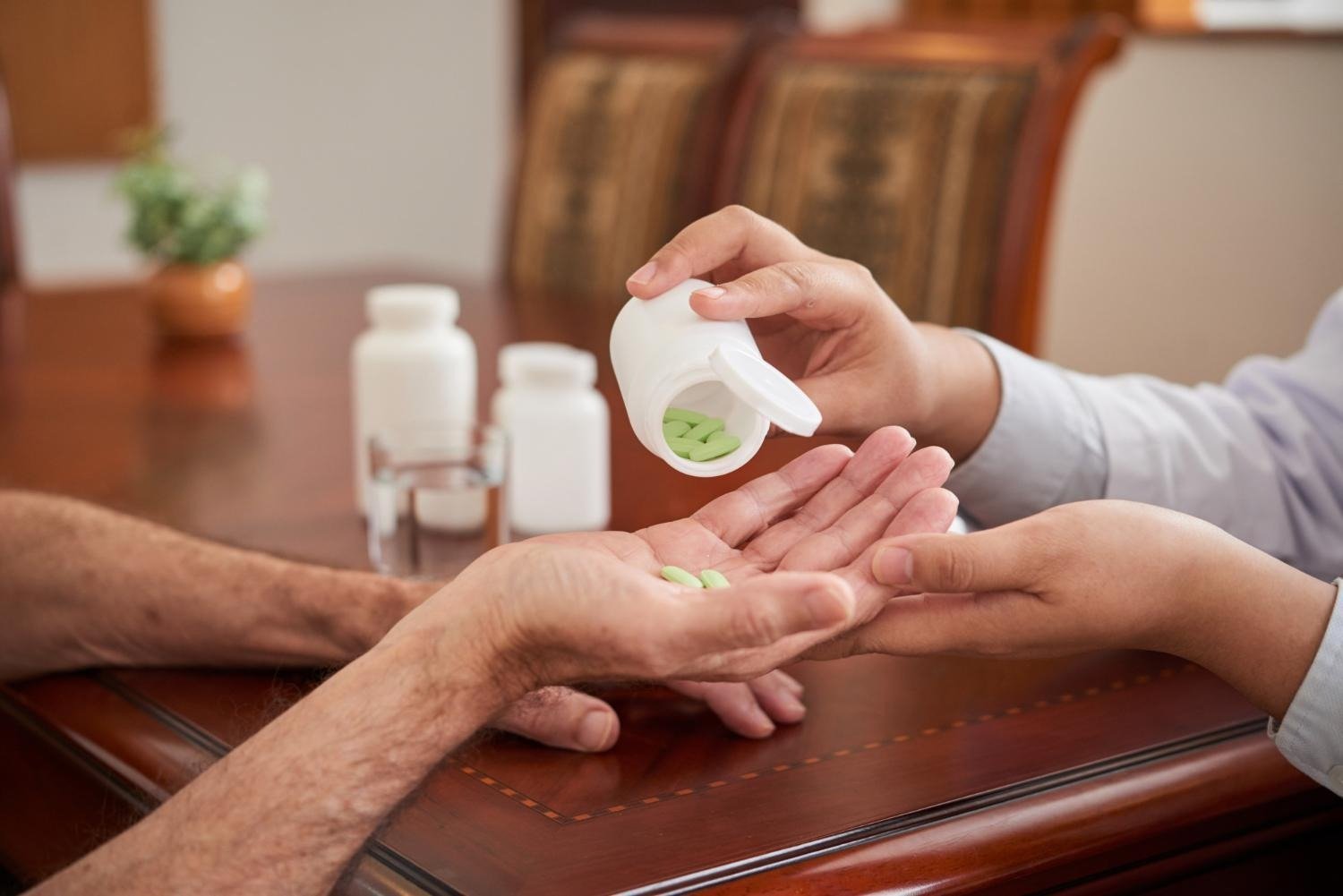
Key Takeaways
- Oral fungicides like terbinafine need a medical assessment before you start taking them.
- Other oral antifungals and topical treatments are available for different fungal infections and medical conditions.
- Recovery from fungal infections of the nails can be a long process and require consistent treatment and correct nail care.
Introduction
Nail fungus can be frustrating, especially when nails become discolored, thick, brittle, or begin to separate from the nail bed. Although these symptoms may indicate a fungal infection, other conditions can cause similar changes. Understanding prescription treatments can help you make informed decisions about your nail health.
Terbinafine is a commonly prescribed antifungal medication, but it is not the only option. The right treatment depends on the diagnosis, infection severity, medical history, and potential medication risks.
What Is Terbinafine, and How Does It Treat Nail Fungus?
Oral antifungal medicine, such as terbinafine, treats various fungal infections of the nails. The medication kills sensitive fungi by interfering with the fungus’ production of ergosterol, a key component found in the fungal cell membrane.
This medication is effective for fungal infections of the nail that are caused by organisms that can be killed by oral medication. Because it takes time for the newly growing nail to become normal in appearance, even after the fungal infection has gone away, this can take a number of months to several years to achieve.
Your doctor can decide whether or not terbinafine is right for you based on the information about your infection and past medical history.
How Can You Get a Terbinafine Prescription Online?
If accessing an in-person appointment is difficult, telehealth may provide a convenient alternative. When researching how to get terbinafine prescription online, choose a legitimate service that offers evaluation by a licensed healthcare professional.
The process may involve answering questions about your symptoms, existing medical conditions, current medications, and previous treatments. Depending on your situation, the clinician may recommend an examination or laboratory testing before prescribing medication.
An online consultation does not guarantee a prescription. Avoid services that offer prescription medication without appropriate medical assessment.
What Safety Precautions Should You Know Before Taking Terbinafine?
Oral terbinafine is not suitable for everyone. The medication can cause liver problems, so clinicians generally assess liver health before treatment and determine whether additional monitoring is necessary. People with active or chronic liver disease should discuss the risks with their healthcare professionals.
Share information about all medications and supplements you use because drug interactions can occur. Seek prompt medical advice if you experience persistent nausea, unusual fatigue, dark urine, yellowing of the skin or eyes, or significant abdominal discomfort. Always follow your prescribed dosage and never use another person’s medication.
What Other Prescription Treatments Are Available for Nail Fungus?
There are several alternative treatments available to Terbinafine.
- Itraconazole: This is an oral antifungal that can be used to treat various types of fungal nail infections. However, it has significant interactions with many other medicines. Additionally, it may be contraindicated in individuals with certain heart or liver problems.
- Ciclopirox: A prescription nail lacquer that is used for the treatment of selected fungal nail infections. Generally, it is applied to the nail in the form of a lacquer on a regular basis.
- Efinaconazole: A topical prescription solution for the treatment of toenail fungus. Treatment must be applied continuously over a long period of time.
It is generally more important to consider the severity of the infection, potential side effects, and general health of the individual when deciding which is the best treatment for fungal toenail infections.
How Can You Support Nail Recovery During Treatment?
Good nail hygiene can complement prescribed treatment. Keep your feet clean and dry, change damp socks, and let shoes dry between uses. Trim nails carefully, avoid sharing nail-care tools, and wear protective footwear in communal showers.
Follow your treatment schedule consistently and understand that healthy nail growth takes time. If symptoms worsen or improvement remains limited, contact your healthcare professional instead of changing medication yourself.
Choosing the best prescription toenail fungus treatment involves balancing effectiveness, safety, and practical considerations with professional guidance.
Conclusion
There is effective treatment for nail fungus, but it all starts with an accurate diagnosis and the appropriate treatment for your specific case. The various treatments for fungus, including the various medications, precautions to take, and the time it will take to get results, can be explored at GetMyStride.com the online starting point for prescription toenail fungus treatment and evaluation by a qualified clinician. Treatments can vary, so consult with a qualified healthcare professional to determine the best course of treatment for your case of fungal-infected nails.
Frequently Asked Questions
Can terbinafine completely cure toenail fungus?
It can clear many fungal nail infections, although results vary. The affected nail needs time to grow out, even after successful treatment.
Is oral terbinafine better than antifungal cream?
Oral terbinafine is generally more effective for many nail infections than ordinary skin antifungal creams. A clinician can recommend an appropriate treatment.
What happens if terbinafine is unsuitable?
Your clinician may consider prescription topical treatments or alternative oral medications, depending on your diagnosis and medical history.
How can you get a terbinafine prescription online safely?
To understand how to get a terbinafine prescription online, choose a service offering appropriate evaluation by a licensed clinician. A prescription should depend on your individual medical needs.
