
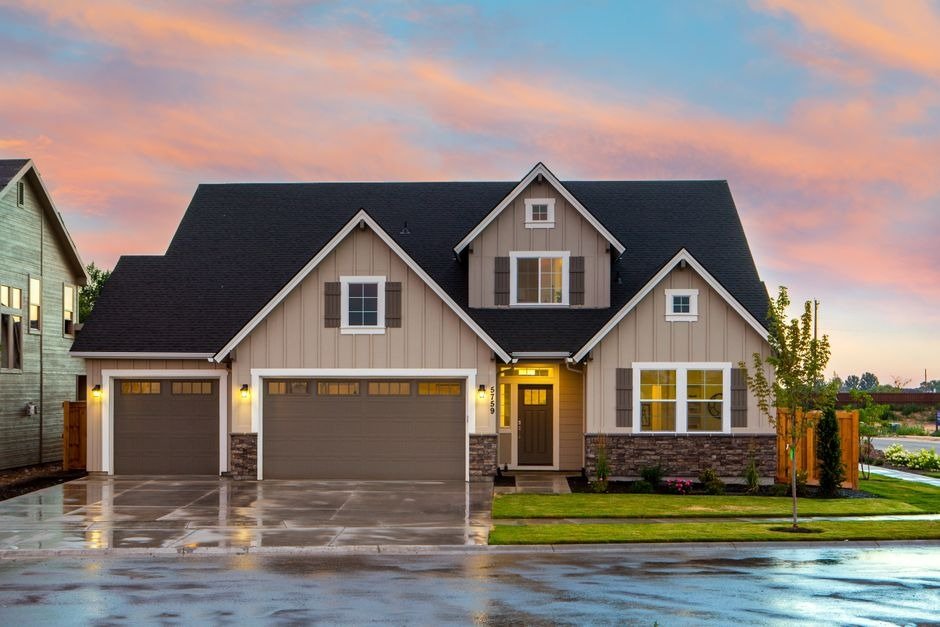
Your home’s exterior does more than shape curb appeal. It helps shield the structure from rain, sun, wind, and everyday wear while influencing how much maintenance you face over the years. Siding that looks impressive on installation day may become expensive if it needs frequent repairs or allows moisture to reach the wall beneath it. The smartest choice balances appearance, durability, upkeep, and the realities of long-term ownership.
Look Beyond the Color and Finish
It is natural to begin with color, texture, and style. Those details matter, but the bigger differences between siding materials often emerge years later, when weather exposure, maintenance cycles, and repair bills begin to add up.
Siding forms one layer of a home’s building envelope. It sheds much of the rain that reaches the walls, but it should not be treated as a waterproof barrier on its own. Water can find its way behind almost any cladding, which makes drainage, flashing, and the water-resistive layer underneath essential parts of a reliable exterior.
That is where fiber cement deserves consideration. It combines a substantial feel with a range of finishes, including textures that resemble painted wood. For homeowners seeking a traditional appearance without some of wood’s vulnerabilities, it can offer a practical middle ground.
How It Compares With Other Materials
Vinyl is often attractive because it costs less upfront and needs little painting. Yet it may crack under impact or become distorted by heat, depending on product quality and exposure. Wood offers natural character and can be repaired or refinished, but it generally demands more attention to paint, moisture, and pest protection.
Fiber cement occupies a different balance. It is not maintenance-free, and it can be damaged by poor detailing or improper handling. Still, its resistance to rot and insects, combined with varied profiles and finishes, makes it a strong candidate for owners who want a durable exterior with a more substantial appearance.
For homeowners who want the durability of fiber cement without sacrificing curb appeal, choosing the right product and installation approach is essential. When evaluating James Hardie siding, look beyond the brand name to compare available styles, material specifications, installation methods, warranty coverage, and the full project cost. Understanding these details can help you determine whether the proposed siding system suits your home and long-term maintenance expectations.
What Fiber Cement Is Designed to Do
Fiber cement siding is generally made from cement, sand, water, and cellulose fibers. The resulting boards or panels are dense and stable, and they are manufactured in profiles suited to different architectural styles. Common choices include lap boards, vertical panels, shingles, and trim.
The material is valued for resistance to rot and insect damage, dimensional stability, and noncombustibility. Those qualities can be useful where exterior surfaces face intense sun, pests, or elevated fire exposure. However, no siding is invulnerable. Product specifications, finish, installation, and local conditions all influence actual performance.
Installation Can Make or Break Performance
Even a high-quality board can fail prematurely if water is allowed to collect behind it. Flashing around windows, doors, roof intersections, and other openings should direct water outward. The water-resistive barrier behind the siding must be properly integrated with those details so moisture can drain away rather than enter the wall cavity.
Fastener type, spacing, edge clearances, joints, and sealant requirements vary by product. Fiber cement should be installed according to the relevant manufacturer instructions, not a generic method borrowed from another siding type. Clearance from soil, roofing, decks, and paved surfaces also matters.
Before signing, confirm who obtains permits, how landscaping and walkways will be protected, and what cleanup includes. A written schedule helps you plan around noise, access, and exposure while the old siding is removed.
A useful guide to drainage planes behind exterior cladding explains why a properly installed water-resistant layer helps protect the wall even when rain passes behind the siding. The principle applies broadly: the cladding sheds water, while the layers beneath manage what gets through.
Compare the Total Cost, Not Just the Bid
Fiber cement often costs more initially than basic vinyl because the material is heavier and installation can require more labor. Trim details, access, removal of old siding, repairs to the underlying wall, and painting or finishing can also affect the final price.
Ask for an itemized proposal covering materials, preparation, installation, finishing, cleanup, and possible extra costs.
Long-term costs deserve attention too. Fiber cement may need repainting or other care depending on its finish and exposure. Compare the expected maintenance schedule, product warranty, and cost of replacing damaged sections. Avoid assuming that any material will eliminate upkeep entirely.
Design Flexibility Without Sacrificing Character
Durability does not have to mean a plain exterior. Fiber cement is available in smooth finishes, wood-grain textures, multiple board widths, and profiles suited to both traditional and contemporary homes. Lap siding can establish a familiar horizontal rhythm, while vertical panels or shingle accents can add contrast.
Factory-applied finishes may simplify the finishing process, but their warranty terms and maintenance needs still deserve review. Ask how repairs will be matched if a board is damaged and whether the selected color or finish requires periodic repainting.
Match the Material to Your Conditions
Before deciding, consider the hazards your home is likely to face. Wind-driven rain, hail, intense ultraviolet exposure, pests, and wildfire risk can change which properties matter most. Also consider whether you are prepared to repaint periodically or prefer a different maintenance routine.
Look closely at the whole wall assembly, not just the visible siding. Good drainage, suitable flashing, proper installation, and attention to penetrations are essential regardless of the material selected. A durable exterior surface cannot compensate for water-management details that were overlooked.
Check the installer’s experience, written scope, warranty terms, and references before work begins.
Make the Choice for the Long Term
Fiber cement stands out because it combines design flexibility with useful resistance to rot, insects, and fire. Its value, however, depends on choosing the right product, installing it correctly, and maintaining it according to the manufacturer’s guidance.
A strong siding decision balances performance, appearance, cost, and future care. Compare complete systems and give moisture management as much attention as color.
