
Your gross margin looks good. So where is the profit going?
Revenue is up. Gross margin still looks strong. But net profit? Barely moving. Maybe even sliding.
Sound familiar?
Most owners in this spot start second-guessing everything. Is pricing off? Are costs too high? Did growth itself cause the problem? This is where financial planning outsourcing actually earns its place. It gives founders the forecasting and margin analysis that busy in-house teams rarely have time to build properly.
Here’s the part nobody tells you: gross margin only shows what’s left after direct costs. It says nothing about what survives once everything else gets paid. This piece walks that whole path, from revenue down to cash, and shows where the money actually goes missing.
Why does a healthy gross margin still hide a weak net profit?
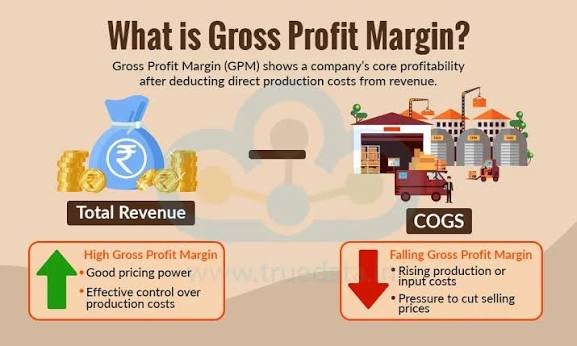
Gross margin measures revenue against direct costs. Net profit measures what’s left after everything else. Two very different questions. A good answer to one doesn’t guarantee a good answer to the other.
Gross margin tells you about pricing and delivery efficiency. That’s it. It says nothing about head-office costs, marketing spend, software bills, rent, or the interest on last year’s loan. The missing profit is usually hiding somewhere between gross profit and the bottom line. Don’t mistake one strong number for a healthy business.
Follow the profit waterfall from revenue to net profit
Think of it as a chain. Revenue minus direct costs leaves gross profit. Gross profit minus operating expenses leaves operating profit. Operating profit minus finance costs and tax leaves net profit.
At every link, ask the same thing: is this turning into profit, or just more activity? Is revenue growing because of new customers, higher prices, or higher volume? Is payroll creeping up faster than gross profit can support it? Most owners never actually walk this chain step by step. It takes ten minutes and tells you more than a whole quarter of reports.
Where is the gap actually coming from?
“Overheads are too high” isn’t an answer. It’s a starting point.
Start with payroll. Has headcount grown faster than gross profit? New hires cost money immediately. The extra profit they generate often shows up months later, if it shows up at all. Then look at marketing. Don’t just ask if it drove sales. Ask what each new customer cost to acquire, and how long it takes to earn that back.
Software subscriptions deserve a look too. One tool here, another there, none of them feel expensive on their own. Add them up, though, and they become a real monthly drag. Rent, insurance, professional fees, same story. Fine individually. Painful together once revenue slows down.
Could your gross margin be sending the wrong signal?
Here’s something most owners never think about: gross margin depends on how you classify costs. Move a delivery contractor from “direct cost” to “overhead,” and the margin looks better overnight. Nothing about the business actually changed. The cost is still there. It just moved to a different line.
So ask yourself: is gross margin genuinely improving, or does the P&L just label things differently than it used to? Consistency matters more here than most finance teams admit.
The three-layer view: gross, operating and net margin
| What you see | What it usually means | Where to look |
| Gross margin falling | Pricing or direct-cost problem | Pricing, suppliers, delivery mix |
| Gross margin stable, operating margin falling | Overheads growing too fast | Payroll, marketing, software, rent |
| Operating margin stable, net margin falling | Cost below the operating line | Finance costs, interest, tax |
| Net profit stable, cash falling | Timing, not profitability | Working capital, receivables, VAT |
This one table answers most of the “why is my profit falling” questions owners bring to their accountant.
Can revenue growth actually make profit worse?
Yes. And this catches more people off guard than anything else on this list.
Growth needs people. It needs marketing, software, sometimes bigger premises. All of that costs money before it earns a matching rise in gross profit. So ask the harder question: are you becoming more profitable, or just bigger? They’re not the same thing. Mixing them up is how businesses end up working twice as hard for the same result.
Is your sales mix hiding a problem?
Total gross margin can hide real differences underneath. Sell more low-margin work, and revenue climbs while profit quietly shrinks. Some customers bring in strong profit and barely need any support. Others eat up discounts, senior staff time, and slow payments. Ask which parts of the business actually make money. Not which parts bring in revenue. Those are two different lists.
Why does a profitable business still feel short of cash?
Profit and cash aren’t the same thing. Treating them like they are causes real damage. Cash gets stuck in slow-paying customers, unpaid invoices, VAT bills, loan repayments. A business can look profitable on paper and still struggle to make payroll. Keep the two questions separate: is the business profitable, and where exactly is the cash tied up?
A worked example
Take a business with £1,000,000 in revenue, £400,000 in direct costs, and a solid 60% gross margin. Deduct payroll, marketing, software, rent and professional fees, and operating profit shrinks fast. Add finance costs and tax, and net profit ends up far smaller than that headline margin ever promised. So where did the £1 million stop turning into the profit the owner expected?
Frequently Asked Questions
Why is my gross margin high but my net profit low?
A strong gross margin only covers direct costs, not the rest of the business. Overheads, payroll and financing sit below that line and often eat more than owners expect. The gap is usually overhead growth, not a pricing issue.
Why is revenue increasing but net profit falling?
Growth needs more staff, more marketing, more infrastructure before it pays off. When costs grow faster than gross profit, revenue growth can shrink net profit instead of boosting it. That’s expensive growth, not necessarily bad growth.
Could my gross margin be overstated because of cost classification?
Yes. Move a cost between “direct” and “overhead,” and margin changes without the business changing at all. The total cost is still there either way. This is why steady cost classification matters for spotting real trends.
Can a business be profitable but still have cash-flow problems?
Yes, easily. Profit is a number on paper. Cash is what’s actually in the bank. Slow-paying customers and tax bills can drain cash from a profitable business fast. That’s why cash flow needs its own separate check.
When should a UK SME consider outsourced FP&A support?
Once rolling forecasts or customer-level profitability get too time-consuming to handle in-house. Financial planning outsourcing gives growing businesses that forward-looking view without hiring a full finance team. Think of it as a step up, not a replacement.
Conclusion
Gross margin shows what’s left after direct costs. The real question is how much of that survives after paying for people, growth, overheads, financing, and everything else running the business needs.
You don’t need to wait for year-end accounts to spot trouble. Regular forecasting and margin analysis flag the pressure early, while there’s still time to act. That’s where Eco Outsourcing comes in, turning your historical numbers into forecasts and decisions you can actually use.
