
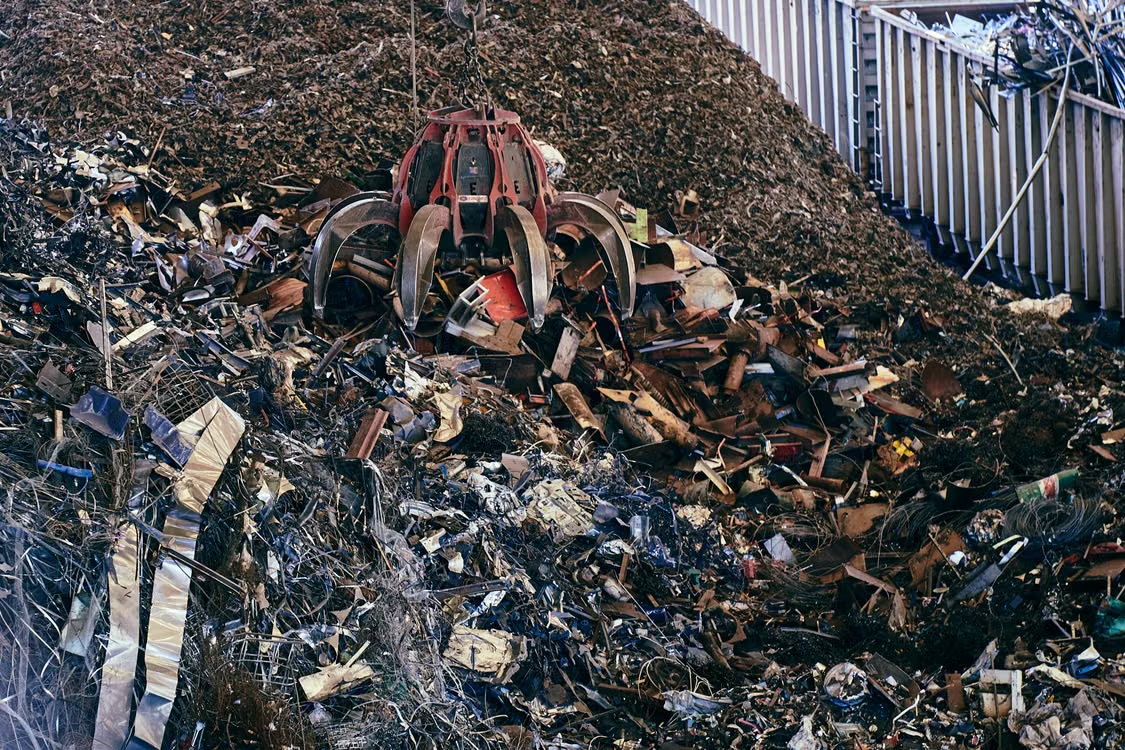
Old metal items often accumulate in garages, storage rooms, backyards, and workplaces. Broken appliances, damaged furniture, unused pipes, and discarded tools may appear worthless, but many contain materials that can be recycled and reused. Metal recycling helps reduce unnecessary waste while allowing individuals and businesses to recover value from unwanted materials. However, getting the most out of recycling requires some preparation. Understanding which metals are recyclable, how to sort them, and what to expect during the recycling process can help you make better decisions.
Understanding the Value of Old Metal Items
Many everyday products contain metals that retain value even after the original item becomes unusable. Common recyclable materials include steel, aluminum, copper, and stainless steel. These metals can be processed and used to manufacture new products, reducing the need for newly extracted raw materials.
The amount you receive for unwanted metal depends on its type, weight, condition, and current market demand. Copper and brass generally have higher resale values than ordinary steel, although prices can change.
Once you identify recyclable materials, the next step is finding a suitable facility that accepts them. Different facilities may have specific requirements regarding material types, sorting, and preparation. Choosing a reliable scrap metal recycling center can help you understand these requirements, determine which items are accepted, and receive appropriate payment based on the materials you bring. Learning about these factors before visiting a facility can save time and prevent unnecessary transportation expenses.
Identify Which Metal Items Can Be Recycled
Before collecting unwanted materials, determine which items are suitable for recycling. Many household and commercial products contain recoverable metals, even when they are damaged or no longer functional.
Common examples include aluminum window frames, steel shelving, copper plumbing pipes, brass fixtures, metal furniture, and certain automotive components. Construction leftovers and old machinery may also contain valuable recyclable materials.
However, not every metal-containing item can be accepted without special handling. Contact the recycling facility before transporting unfamiliar items. Confirming acceptance requirements helps prevent rejected loads and ensures potentially hazardous materials receive appropriate treatment.
Separate Different Metals Before Recycling
Sorting is one of the simplest ways to make metal recycling more efficient. Recycling facilities often classify materials according to their composition because different metals require different processing methods.
Metals are generally divided into ferrous and non-ferrous categories. Ferrous metals contain iron and are usually magnetic, while non-ferrous metals include aluminum, copper, and brass.
A small magnet can help identify many ferrous materials. If the magnet sticks, the item likely contains iron or steel. However, some stainless steel grades are not strongly magnetic, so this test is not always conclusive.
Keep different metals in separate containers whenever possible. Mixing valuable copper or brass with ordinary steel may reduce the amount offered for the entire collection. Proper sorting also reduces processing time and makes materials easier to evaluate.
Understand How Metal Recycling Facilities Operate
Knowing what happens at a recycling facility can help you prepare for your visit. Most facilities begin by inspecting incoming materials to identify their composition, condition, and potential safety concerns.
Accepted materials are generally weighed and classified according to established categories. Facilities may use magnets, specialized sorting equipment, and other methods to separate different metals.
After sorting, materials are processed into forms suitable for transportation and manufacturing. Depending on the metal, this may involve cutting, shredding, compressing, or removing contaminants. The processed materials are then supplied to manufacturers, mills, or foundries that use them to produce new products. Understanding these procedures explains why clean, organized materials are often easier to process and may receive better pricing.
Know What Affects Scrap Metal Prices
Scrap metal prices are not fixed. They change according to market demand, material availability, processing costs, and broader economic conditions.
Metal type is a major factor. Copper, aluminum, and steel have different market values because their industrial uses and processing requirements vary.
Material condition also matters. Clean metal without excessive attachments or contamination may qualify for a higher grade than mixed or heavily contaminated material.
Quantity can influence the overall payment as well. Larger collections may generate more money, although transportation and preparation expenses should also be considered.
Before selling, compare current prices and ask how the facility grades materials. Understanding pricing practices can help you set realistic expectations and avoid misunderstandings.
Common Mistakes to Avoid When Recycling Old Metal Items
Many people make simple mistakes when recycling old metal items, which can reduce their value or make the recycling process more difficult. One common mistake is mixing different types of metals without sorting them first. Separating aluminum, copper, and steel can help recycling facilities identify materials accurately and determine their value.
Another mistake is throwing away old metal items without checking whether they contain recyclable components. Some people also overlook safety precautions when handling heavy or damaged objects.
Avoiding these mistakes can help you recycle old metal items more safely, reduce unnecessary waste, and recover greater value from materials you no longer need.
Recognize the Environmental Benefits of Metal Recycling
Recycling metal provides environmental benefits beyond reducing household clutter. Producing metals from recycled materials generally requires fewer natural resources than extracting and processing new ores.
Recycling aluminum, for instance, can significantly reduce energy consumption compared with producing aluminum from raw materials. Recovering steel and copper also helps conserve resources used in industrial manufacturing.
Proper recycling reduces the amount of reusable material entering landfills and supports more efficient waste management. It can also reduce demand for mining activities associated with land disturbance and environmental impacts.
Make Metal Recycling a Regular Habit
Metal recycling becomes easier when it is incorporated into routine cleaning, maintenance, and renovation activities. Instead of allowing unwanted materials to accumulate, designate a storage area for recyclable metals.
Use separate containers for different materials and inspect items before placing them in general waste. This approach is particularly useful for households completing renovations and businesses generating regular metal waste.
Keep storage areas organized, dry, and free from dangerous materials. Schedule recycling trips when enough material has accumulated to justify transportation costs. For businesses, maintaining basic records of recycled materials and payments can help evaluate waste management practices.
Ultimately, recycling old metal items is a practical way to reduce waste, recover useful resources, and potentially earn additional money. With proper sorting, safe preparation, and an understanding of recycling procedures, you can turn unwanted metal into valuable materials for future use.
