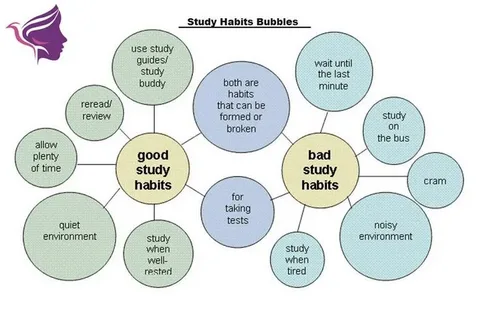
Preparing for the PSLE involves more than gathering study materials or working through a large number of questions. Students also need simple habits that help them study regularly and make good use of their time. Resources such as PSLE books can support this process by providing focused exercises and opportunities to review important topics.
A steady study routine can help children set clear goals, manage their time, stay focused, and understand their mistakes. Short, regular study sessions are often easier to maintain than leaving most of the revision until the weeks before the examination. With consistent practice and the right approach, students can gradually become more confident and independent in their learning.
Habit 1: Set a Clear Purpose Before Every Study Session
One of the simplest ways to make revision more effective is to decide what the student wants to accomplish before opening a book. A study session without a specific purpose can easily become a routine of answering questions without understanding what needs improvement.
A clear goal gives the session direction. Instead of saying, “I will study mathematics today,” a student could decide to practise multi-step problems, review fractions, or improve accuracy in a particular question type.
Turn Broad Goals Into Specific Tasks
Broad goals can feel difficult to measure. A more specific target gives students something concrete to work towards.
For example:
- Review one difficult topic.
- Complete 10 questions involving a particular skill.
- Correct mistakes from a previous practice session.
- Explain a concept without referring to notes.
- Complete a short mixed-question exercise.
- Practise a question type that previously caused difficulty.
The goal does not need to be complicated. It simply needs to make the purpose of the session clear.
Connect the Goal to the Resource
The book should support the goal rather than determine it. Students can first identify what they need to work on and then select the appropriate section.
For example, if a student repeatedly makes errors in a particular topic, they can locate related exercises instead of simply continuing from the next page. This makes the resource more responsive to individual learning needs.
Finish by Checking the Goal
At the end of the session, students can ask whether they achieved their original objective.
If the goal was to improve accuracy, they can review their answers and identify whether fewer mistakes were made. If the goal was understanding, they can explain the concept independently.
This simple beginning-and-end check encourages students to become more aware of how they learn.
Habit 2: Practise in Short, Focused Sessions
Long study sessions may appear productive because they involve many pages or exercises. However, students may become tired or distracted when they attempt to work continuously for extended periods.
Shorter, focused sessions can make it easier to maintain attention. The ideal length will vary according to the student’s age, schedule, concentration level, and workload.
Give Each Session One Main Focus
A focused session might concentrate on one topic or skill rather than several unrelated areas.
For example:
Session A: Mathematics problem solving
Session B: English grammar practice
Session C: Science concept review
Session D: Mixed revision and error correction
This approach can make it easier for students to understand what they have learned and where they need further practice.
Include Intentional Breaks
Breaks can provide an opportunity to rest mentally before beginning another activity. A short pause between study blocks can also help students return to their work with renewed attention.
Students can use breaks to:
- Stretch or walk around
- Drink water
- Have a light snack
- Rest their eyes
- Prepare materials for the next session
The purpose is to create a sustainable routine rather than making every study period feel exhausting.
Quality Matters More Than Page Count
Completing 20 pages does not necessarily represent better learning than completing five carefully chosen pages.
Students should focus on whether they understand the questions, can explain their methods, and can recognise mistakes. A smaller amount of meaningful practice can be more useful than rushing through a large amount of material.
Habit 3: Keep a Personal Mistake Journal
One of the most useful study habits is recording mistakes instead of simply correcting them and moving on. A mistake journal gives students a place to identify recurring difficulties and monitor whether they improve over time.
The journal does not need to be elaborate. A notebook, spreadsheet, or dedicated section in a revision folder can work.
Record the Reason Behind the Mistake
Students should avoid writing only the incorrect answer. They should also identify why the error occurred.
Possible categories include:
- I misunderstood the question.
- I forgot a rule or concept.
- I selected the wrong method.
- I made a calculation error.
- I missed an important word.
- I rushed through the question.
- I did not check my final answer.
This information is often more useful than the score itself because it tells students what they need to change.
Use the Journal for Future Practice
The mistake journal should become part of later revision. Students can review several previous errors before starting a new practice session.
If a similar mistake occurs repeatedly, it may indicate that the student needs to revisit the underlying concept. If the error disappears, that provides evidence that the correction strategy is working.
Turn Mistakes Into Questions
Students can rewrite mistakes as short reminders.
For example:
Mistake: Forgot to check the unit.
Reminder: “Have I included the correct unit in my final answer?”
This transforms the error into a self-checking question that can be used during future practice.
Habit 4: Review Before Adding New Practice
Revision is not only about moving forward. Students also need to return to previously learned material to strengthen retention.
A common problem occurs when students complete a topic successfully and immediately move on without reviewing it later. They may remember the method for a short period but struggle to recall it after several weeks.
Build Review Into the Routine
A simple revision pattern can include three points:
Learn: Understand the concept.
Practise: Complete relevant exercises.
Return: Revisit the concept after some time.
This approach creates repeated opportunities to retrieve knowledge.
Use Previous Work as a Revision Resource
Students do not always need to start with a fresh set of questions. Earlier exercises can become useful revision material.
They can return to:
- Previously incorrect questions
- Questions that required teacher assistance
- Topics that have not been practised recently
- Questions completed without confidence
- Exercises containing recurring errors
This reduces unnecessary repetition while making better use of existing materials.
Combine New and Old Topics
A revision session can include both current and previously learned material.
For example, a student might spend part of a session learning a new concept and another part revisiting an older topic. This can help prevent revision from becoming too narrowly focused.
Habit 5: Track Progress Without Focusing Only on Scores
Scores provide useful information, but they should not be the only way students judge their progress. Improvement can also be seen in accuracy, confidence, independence, speed, and the ability to correct recurring mistakes.
A student may initially need significant support to solve a particular type of question. Later, the same student may complete it independently, even if the score has not changed dramatically.
Track More Than Marks
Students can monitor several indicators:
- Topics completed
- Questions attempted
- Accuracy rate
- Repeated mistakes
- Questions completed independently
- Time taken
- Topics requiring further review
- Confidence before and after practice
This creates a broader picture of learning.
Create a Simple Habit Tracker
A habit tracker can make study routines visible without turning revision into a competition.
| Study Cue | Action | Desired Outcome |
| Beginning a study session | Set one learning goal | Clear direction |
| After completing questions | Check and classify mistakes | Better error awareness |
| Before a new topic | Review an older topic | Stronger retention |
| End of the week | Review progress notes | Identify priorities |
| Before timed practice | Check common errors | Fewer repeated mistakes |
The purpose of this tracker is not to make students complete every task perfectly. Instead, it helps them develop consistency and recognise which habits are supporting their learning.
Turning Five Habits Into a Weekly Routine
The five habits become more useful when they work together rather than being treated as separate rules.
A weekly routine can begin with goal-setting, continue with focused practice, and include regular review of mistakes. At the end of the week, students can reflect on what improved and what requires additional attention.
A simple structure could look like this:
Monday: Set the Direction
Choose the main topics or skills for the week. Identify areas that require additional attention based on previous work.
Tuesday and Wednesday: Focused Practice
Work on selected topics through short study sessions. Record important mistakes rather than simply correcting them.
Thursday: Review and Retrieval
Return to earlier topics and attempt selected questions without immediately looking at notes.
Friday: Mixed Practice
Combine different topics to encourage students to decide which methods are appropriate.
Weekend: Reflect and Reset
Review the mistake journal and progress tracker. Decide which areas should receive attention during the following week.
The schedule can be adjusted according to school commitments and individual learning needs. Consistency is more important than following a rigid timetable.
Using Revision Resources Without Creating Overload
Students often have access to school worksheets, homework, practice papers, revision guides, and other educational materials. Using everything at once can make revision feel unnecessarily complicated.
The solution is to give each resource a defined purpose.
For example:
- School materials: Understand current classroom learning.
- Practice resources: Reinforce specific skills.
- Revision books: Provide additional structured exercises.
- Mistake journal: Record areas requiring improvement.
- Timed papers: Develop examination practice.
This approach prevents students from jumping randomly between materials.
Choose Resources According to Need
A student who struggles with basic concepts may need additional explanatory material. Another student who understands the concepts but needs more application may benefit from varied exercises.
The resource should therefore match the learning need.
Rather than asking, “Which book has the most questions?” students can ask:
“Which resource will help me improve the skill I am currently working on?”
That question can lead to more purposeful resource selection.
Encouraging Independent Study Skills
PSLE preparation can also be an opportunity for students to develop learning habits that remain useful beyond one examination.
Independent learning does not mean students should never ask for help. Instead, it means they learn to recognise when they need help and make a reasonable attempt to understand a problem before seeking assistance.
Encourage Students to Explain Their Thinking
Parents can ask questions such as:
- What were you trying to solve?
- Which part was difficult?
- Why did you choose this method?
- What did you learn from the mistake?
- Can you try a similar question independently?
These questions encourage students to think about their process rather than focusing entirely on the final answer.
Build a Personal Revision System
Over time, students can develop their own collection of useful revision practices. This might include a preferred note-taking method, a mistake journal, a weekly review routine, and a way of organising difficult questions.
The goal is to help students become increasingly capable of managing their own learning.
Creating a Sustainable PSLE Preparation Environment
Study habits work best when the surrounding environment supports them. A quiet, organised study space can reduce unnecessary distractions and make it easier to begin each session.
Students can prepare their essential materials before starting:
- Relevant revision book
- Notebook or mistake journal
- Stationery
- Water
- Timer when appropriate
- Previous work for review
Keeping these items ready can reduce interruptions.
Avoid Making Every Session About Performance
Students may become discouraged if every study session is treated as a test. Revision should also provide opportunities to explore difficult concepts, make mistakes, ask questions, and improve.
A healthy routine recognises that learning takes time. The purpose of practice is not simply to prove what students already know, but to help them understand what they still need to develop.
Connecting PSLE Practice With Broader Learning
Effective revision is not about having a pile of books on the study table. It is about choosing useful materials and knowing how to use them well. Alongside schoolwork, worksheets, and practice papers, Primary school books can give children extra opportunities to revisit lessons, strengthen key concepts, and practise skills that need more attention.
The number of resources matters less than the purpose behind each one. One book may help a child understand a difficult concept, while another can provide extra exercises for practice and review. When every resource has a clear role, students can avoid unnecessary repetition and make better use of their study time.
Combining suitable materials with regular study habits can make revision more organised and manageable. The books provide opportunities to practise, while consistent routines help children make the most of those opportunities and progress with greater confidence.
Final Takeaway
Developing good study habits alongside PSLE books can make revision more organised, consistent, and purposeful. Setting clear goals, practising in focused sessions, recording mistakes, reviewing previous learning, and tracking progress can help students make better use of their study time.
These habits also encourage students to become more independent learners. Instead of measuring revision only by pages completed or marks achieved, students can pay attention to understanding, accuracy, consistency, and improvement.
A consistent study routine can help children stay focused and make revision easier to manage. Parents can support this process by choosing learning materials that match their child’s needs. Resources from Singapore Asia Publishers can be included alongside schoolwork to provide extra practice, reinforce key concepts, and encourage regular review.
Good progress does not come from using a single book or studying for long hours at once. It develops through small, regular efforts. With suitable resources, focused practice, and encouragement at home, children can strengthen their understanding and approach their revision with greater confidence.
Frequently Asked Questions
1. Why are study habits important when using PSLE books?
Study habits help students use revision materials with greater purpose. They can encourage regular practice, focused learning, error correction, and review instead of simply completing pages.
2. How long should a PSLE study session be?
There is no universal duration that suits every student. Short, focused sessions with appropriate breaks can be easier to maintain than long periods of continuous study.
3. Should students record every mistake they make?
Recording every minor error may become impractical. Students can focus on recurring mistakes, misunderstandings, unfamiliar question types, and errors that reveal a skill requiring further practice.
4. How often should students review old topics?
Older topics can be revisited regularly rather than only before examinations. The exact frequency can depend on how well the student remembers and applies the material.
5. Should students focus mainly on their scores?
Scores provide useful feedback, but they should not be the only measure of progress. Accuracy, independence, confidence, mistake reduction, and improved understanding are also meaningful indicators.
6. Can parents help students develop better study habits?
Yes. Parents can help students create realistic routines, encourage reflection, and ask questions about their learning process without taking over the work.
7. Is it necessary to use several revision books?
No. Students do not necessarily need many resources. A smaller selection of suitable materials can be easier to manage when each resource has a clear purpose.
8. When should students begin developing these habits?
Study habits can be developed well before intensive PSLE preparation. Starting earlier gives students time to discover which routines help them learn effectively and maintain those routines consistently.