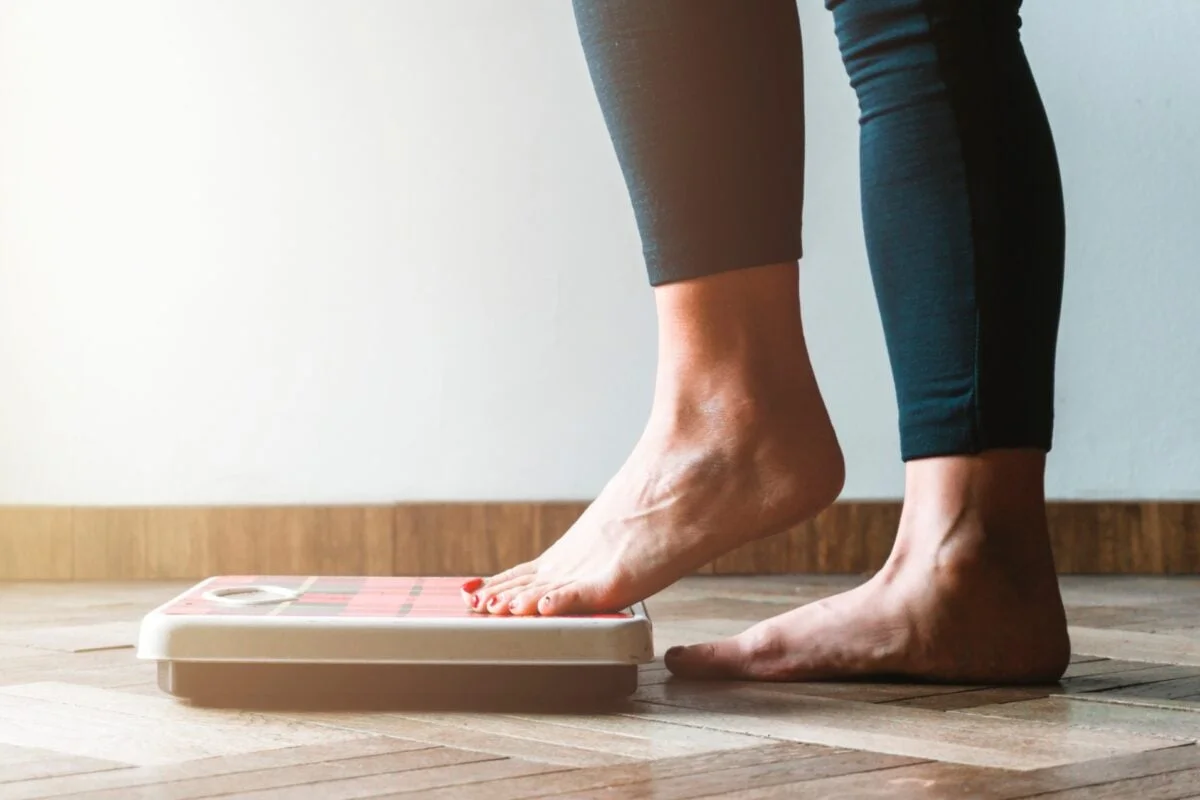
You may be eating the same foods, following the same routine, and staying just as active as before. Yet, somehow, the number on the scale keeps creeping up. Or perhaps you’ve been trying to lose a few pounds, but the results aren’t coming as easily as they did in your 20s or 30s.
If this sounds familiar, you’re not alone. Weight loss after 40 can feel more challenging because your body goes through several changes as you age. From shifting hormones to changes in muscle mass, multiple factors can influence how your body manages weight.
Let’s explore why losing weight after 40 can be difficult and what you can do to make progress.
Why Does Losing Weight Get Harder After 40?
Turning 40 doesn’t suddenly change your metabolism overnight. However, gradual physical and lifestyle changes can make weight management more challenging.
One important factor is muscle loss. As you age, you may gradually lose muscle mass, particularly if you aren’t physically active. Since muscle burns energy even at rest, having less muscle can reduce the number of calories your body needs.
Hormonal changes, poor sleep, and increased stress may also affect appetite, energy levels, and fat distribution.
For people struggling to manage their weight through lifestyle changes alone, medical treatments such as a semaglutide injection may be considered when clinically appropriate. However, these medications require professional evaluation and aren’t suitable for everyone.
What Causes Weight Gain After 40?
Several factors can contribute to weight gain during your 40s and beyond. Understanding them can help you make more effective changes.
If you’re finding it difficult to manage your weight, exploring Weight Loss Services in Orlando or your surrounding community may help you access personalized guidance and medically supervised treatment options.
Here are some common reasons why losing weight after 40 may become more challenging:
1. Gradual Loss of Muscle Mass
Muscle mass naturally tends to decline with age, especially when strength training isn’t part of your routine.
Less muscle can mean a lower daily calorie requirement. As a result, eating the same amount as before may gradually lead to weight gain if your energy needs have decreased.
2. Hormonal Changes
Hormones play an important role in weight regulation.
For women, perimenopause and menopause can change how fat is distributed, often increasing abdominal fat. Men may experience gradual declines in testosterone, which can affect muscle mass and body composition.
However, not every weight change is caused by hormones. Diet, physical activity, sleep, and medical conditions also matter.
3. A More Sedentary Lifestyle
Between work responsibilities, family commitments, and daily errands, finding time to exercise can become difficult.
You may spend more hours sitting at a desk or driving and fewer hours moving throughout the day.
Even small reductions in daily activity can affect your overall calorie expenditure over time.
4. Poor Sleep Quality
Sleep problems can become more common with age.
Not getting enough sleep may affect hunger and fullness signals, making it harder to manage cravings and food portions.
Poor sleep can also leave you feeling tired, reducing your motivation to exercise or prepare balanced meals.
5. Stress and Emotional Eating
Managing a career, family, and financial responsibilities can bring additional stress.
Chronic stress may influence eating habits, sleep, and physical activity. Some people respond by eating more frequently or choosing convenient, calorie-dense foods.
Over time, these patterns can contribute to unwanted weight gain.
How to Lose Weight After 40
Although losing weight may require more patience, it is absolutely possible. The key is developing habits that support your changing needs.
Prioritize Strength Training
Strength training helps preserve and build muscle mass, supporting physical function and long-term weight management.
Try incorporating resistance exercises at least twice a week. You can use weights, resistance bands, or bodyweight exercises depending on your fitness level.
Focus on Protein and Balanced Meals
Protein supports muscle maintenance and helps you feel satisfied after meals.
Include protein-rich foods such as eggs, fish, chicken, beans, and yogurt alongside vegetables, fruits, whole grains, and healthy fats.
You don’t necessarily need to follow a restrictive diet. Consistent portion control and balanced meals can make a meaningful difference.
Stay Physically Active
Walking, cycling, swimming, and other enjoyable activities can help you burn calories and improve cardiovascular health.
Aim for at least 150 minutes of moderate-intensity physical activity per week, alongside muscle-strengthening exercises.
Start gradually if you haven’t been active recently.
Improve Your Sleep Routine
Aim for seven to nine hours of sleep each night.
Maintaining a regular bedtime, limiting late-night caffeine, and reducing screen time before bed may help improve sleep quality.
If you regularly experience poor sleep, discuss it with a healthcare professional.
Consider Medical Weight Loss Support
Sometimes, lifestyle changes alone may not produce the desired results.
A healthcare provider can assess your weight history, medical conditions, medications, and lifestyle habits to identify possible barriers.
For eligible patients, prescription weight loss medications may be recommended alongside nutrition guidance and physical activity.
Medical weight management should focus on sustainable progress rather than quick fixes.
When Should You Seek Professional Help?
Consider speaking with a healthcare professional if you’re consistently gaining weight despite making lifestyle changes or struggling to achieve meaningful results.
It’s particularly important to seek guidance if weight changes occur alongside unusual fatigue, persistent sleep problems, or other unexplained symptoms.
A medical evaluation can help identify potential contributing factors, including thyroid disorders, medication effects, and other health conditions.
Final Thoughts
So, why is it harder to lose weight after 40? The answer often involves a combination of muscle loss, hormonal changes, lifestyle habits, and sleep patterns.
While these changes can make weight management more challenging, they don’t make successful weight loss impossible.
Building muscle, staying active, eating balanced meals, and prioritizing sleep can help you make steady progress. And when these efforts aren’t enough, professional medical guidance can help you explore appropriate treatment options based on your individual health needs.