
Key Takeaways
- Using a credit card responsibly can support a healthier credit profile over time.
- Paying every bill on time is more important than carrying a balance and paying interest.
- High reported balances can affect credit utilization, even when the balance is paid in full later.
- Older accounts, new applications, and regular credit-report reviews can all influence credit decisions.
Why Credit Card Habits Matter
Credit cards can be useful payment tools, but how an account is managed may also be reflected in a consumer’s credit history. For a practical look at how account types and usage patterns may differ, Credit One Bank examines credit cards in an educational article on whether all cards build credit at the same rate. As a U.S. credit card issuer serving consumers nationwide, Credit One Bank provides credit education to help cardholders understand how payment behavior and account management relate to credit-building goals.
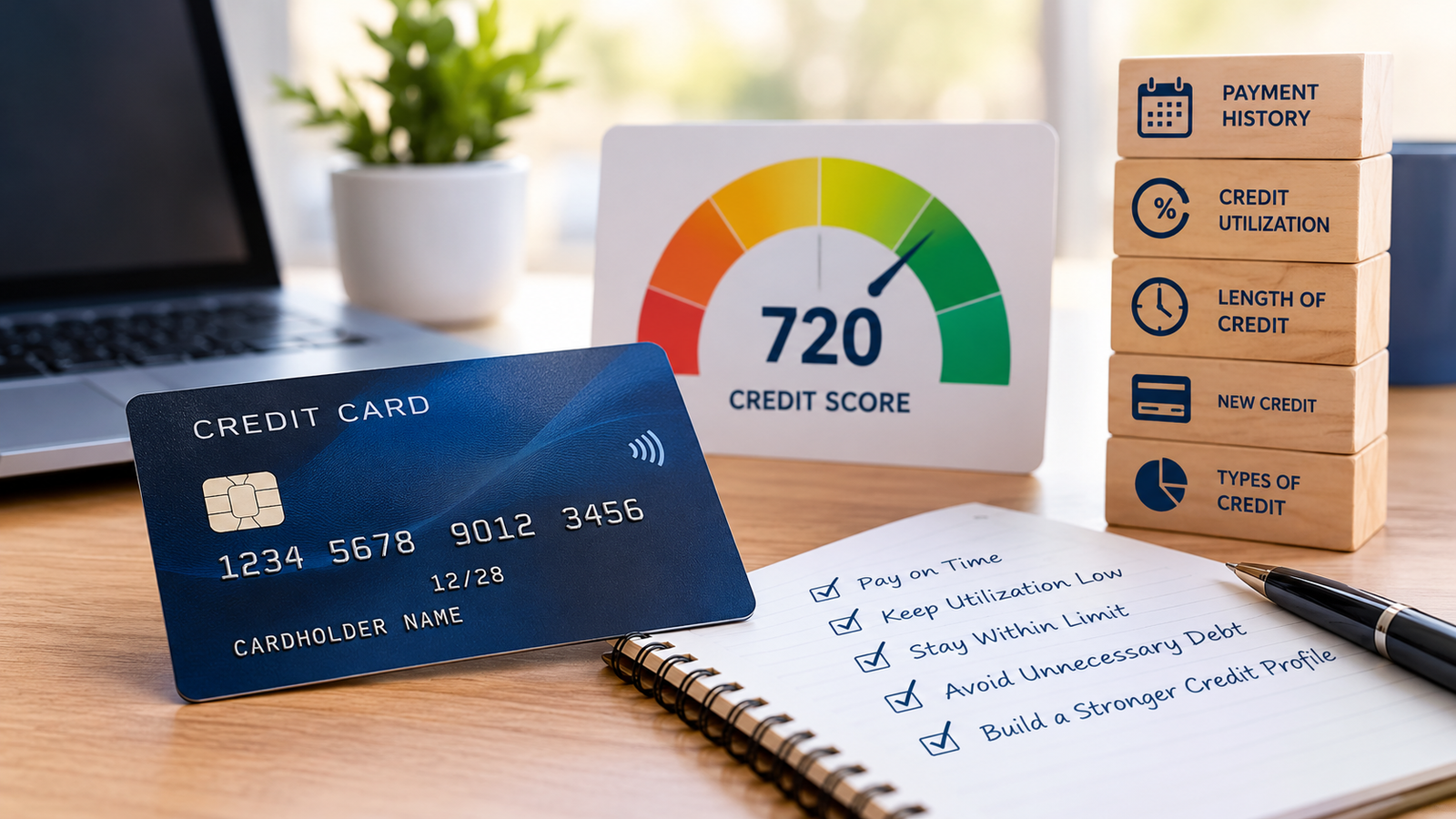
A card does not automatically create strong credit. The result depends on repeated habits, including whether payments arrive on time, how much of the available limit is used, and whether new accounts are opened with a clear purpose. A manageable routine is generally more valuable than chasing rewards or opening accounts that do not fit the budget.
Payment History Comes First
Payment history is a major consideration in many credit scoring models. Paying at least the required minimum by the due date helps keep an account current. Paying the full statement balance when possible can also prevent interest from being charged on purchases during the grace period.
Automation can make this habit easier. A cardholder might place a predictable streaming subscription on one card, set automatic payments for the full statement balance, and review the account each month. Even a small recurring charge can lead to a late payment if the statement is ignored.
How Credit Utilization Works
Credit utilization compares a card balance with its credit limit. For example, a $300 balance uses 30 percent of a $1,000 limit, but only 6 percent of a $5,000 limit.
Credit utilization = current card balance ÷ credit limit × 100
Lower utilization generally leaves more room on the account and may present a stronger picture than consistently using most of the available limit. There is no single percentage that guarantees a particular score. Still, keeping balances manageable can be especially useful before applying for an apartment, auto loan, mortgage, or other financing.

Why Statement Dates Matter
The payment due date and the statement closing date serve different purposes. The due date is when the issuer expects payment. The closing date is when a billing cycle ends and the statement balance is created. Depending on the issuer’s reporting practices, the balance around that point may be the amount that appears on a credit report.
Consider someone who charges airfare, hotel, and meal expenses to a card for a trip. They may have enough money to pay the full bill by the due date, but the account balance could still show a higher amount if the payment is made after the statement closes. An earlier payment may reduce the balance reported for that cycle, while paying the full statement balance by the due date can help avoid interest on purchases.
Practical Steps for Managing Timing
- Find the statement closing date in the card account.
- Review the balance several days before that date.
- Make an early payment if the balance is higher than intended.
- Continue to pay the statement balance in full when the budget allows.
The Role of Account Age
A longer record of responsibly managed credit can add useful history to a credit profile. That does not mean every old card should remain open. An account with a costly annual fee or one that encourages overspending may no longer be a good fit.
Before closing a card, consider the possible tradeoff. Closing an account can reduce total available credit, potentially increasing utilization if balances remain on other cards. In some situations, a better option may be to ask whether the issuer offers a no-fee alternative, although approval and available options vary by issuer.
Managing New Credit Applications
Applying for several credit cards in a short period can create multiple hard inquiries and signal increased recent credit activity. A new account may be worthwhile when it solves a real need, such as replacing an unsuitable card or adding a product designed for someone establishing credit.
Questions to Ask Before Applying
- Does this card fit the current budget and credit profile?
- Are the annual fee, purchase APR, and other charges clear?
- Will the account activity be reported to major consumer credit bureaus?
- Can the balance be paid without reducing the money needed for essentials?
- Is the application based on a genuine need rather than a short-term promotion?
Choosing a Card for Your Goals
Card selection should be a comparison process, not a search for the flashiest reward offer. A useful card supports a spending plan and has terms the cardholder understands. Review the annual or monthly fees, purchase APR, payment tools, credit limit, and rewards structure before applying.
Rewards may be helpful when purchases are already planned, and the statement balance can be paid on time. They are less helpful when they encourage spending beyond what can be repaid. The right account is one that works with the cardholder’s habits, not one that requires constant exceptions to the budget.
A Simple Monthly Credit Checklist
- Review each statement for unfamiliar charges and billing changes.
- Confirm that at least the minimum payment is scheduled before the due date.
- Pay the full statement balance when possible.
- Check each balance against its credit limit.
- Look for interest charges, annual fees, and expiring promotional terms.
- Review credit reports for inaccurate account information or possible fraud.
- Pause before submitting another credit application.
Consumers can use their credit reports from the authorized annual credit report website to review the information maintained by the nationwide credit bureaus. If an account or payment record appears inaccurate, keep supporting records and follow the dispute process with the appropriate bureau or furnisher.
Conclusion
Credit growth usually comes from small decisions repeated over time. Pay on schedule, keep balances within a comfortable range, review statements, and open new accounts with care. No single card creates a strong credit profile on its own, but consistent habits can make a meaningful difference.
