
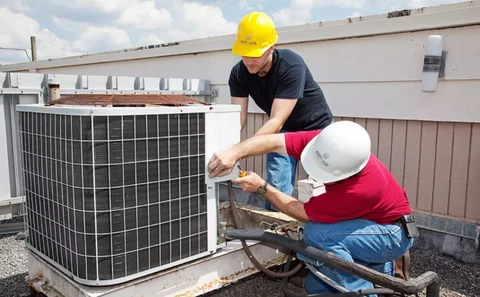
The ideal time to set an HVAC system up for long, reliable service is the day it is designed and installed. Choices about capacity, duct sizing, filtration, controls, and commissioning define how well the equipment handles humidity, how often parts wear, and how difficult routine maintenance becomes. Homeowners planning a replacement or a new build can ask targeted questions that lead to easier maintenance and fewer callbacks. This article explains how specific installation decisions affect airflow, static pressure, refrigerant charge, and diagnostics so the system you choose today remains reliable and efficient for many seasons.
- Right Sizing and Staging: Fewer Breakdowns, Better Humidity Control
A proper load calculation (often called Manual J) sets the foundation for capacity and comfort. Oversized equipment cools or heats quickly, then shuts off, which encourages short cycling and leaves indoor humidity high in summer. That constant pattern of starting and stopping is hard on compressors and contactors. Guides such as HVAC installation and maintenance by Sarkinen describe how contractors translate a room-by-room load into matched equipment and airflow targets. When the system runs long, steady cycles at the right capacity, filters load more evenly, coils stay cleaner, and maintenance visits reveal predictable trends instead of erratic behavior.
Staging also matters. Two-stage or variable-speed compressors and ECM blowers spend most hours at lower output, which removes humidity and reduces temperature swings. The tradeoff is added complexity and higher initial cost. When staged equipment is paired with poor sizing, it can still cycle too often. When paired with correct sizing and airflow, it may reduce wear and simplify maintenance by avoiding high current starts and freezing risks tied to low airflow.
- Ductwork and Static Pressure: Design Choices That Decide Serviceability
Ducts determine airflow, and airflow determines everything from coil temperature to noise. Manual D design, adequate return sizing, smooth fittings, and sealed joints keep total external static pressure within manufacturer limits. A 4-inch media filter cabinet often produces less pressure drop than a narrow 1-inch slot, which helps maintain the target cubic feet per minute per ton. In a common scenario, an older ranch has a single undersized return that whistles at high speed and clogs filters quickly. Adding a second return and sealing the trunk with mastic can lower static pressure and extend filter life.
Service access is part of duct design too. An access port near the evaporator coil, a straight section upstream of the filter rack, and balancing dampers on major branches make inspections faster and more accurate. Without access, technicians have to disassemble sections just to measure static pressure or inspect a coil, which lengthens visits and raises the chance of disturbing insulation or wiring. Good duct layout prevents those complications and preserves airflow settings established on day one.
- Commissioning Details That Prevent Early Failures
System health in the first year is shaped by commissioning steps most homeowners never see. A nitrogen pressure test checks for leaks, and pulling a deep vacuum removes moisture that would otherwise react with refrigerant and oil. Charge should be verified using the method the manufacturer specifies, typically subcooling on systems with a TXV metering device or superheat on fixed orifice systems. Airflow must be set before charging, using fan tables and static pressure measurements, or with a tool that measures external airflow, so the coil temperature stays in the safe range and prevents freezing.
Drainage is another early failure point. A properly sloped condensate line with a clean trap and a float switch protects against pan overflows, especially on attic air handlers. An all-too-common mistake is omitting the trap on a coil operating under negative pressure, which causes air to pull through the drain and stall water flow. That leads to backups, algae growth, and emergency calls. Spending a few extra minutes to confirm slope, trap, and switch operation avoids messy surprises and simplifies future seasonal drain cleaning.
- Filtration and IAQ Additions Without Choking Airflow
Indoor air quality components can help or hinder system performance depending on pressure drop and maintenance. A tightly pleated 1-inch MERV 13 filter may restrict airflow more than a 4-inch MERV 11 media filter at the same dust load. The tradeoff is straightforward: higher MERV ratings capture smaller particles but can raise static pressure and shorten filter life. Choosing a larger, properly sealed filter cabinet often captures more dust at a lower pressure penalty, which keeps coil temperatures stable and reduces the risk of icing during long summer runtimes.
Humidifiers, UV lights, and ERVs add their own service needs. Bypass humidifiers rely on pad changes and clean water lines, while steam humidifiers deliver precise moisture with more electrical complexity. UV lamps lose intensity over time and need bulb replacement on a schedule to be effective. If these devices are installed with isolation valves, unions, and accessible power disconnects, technicians can service them quickly during a standard maintenance visit instead of returning for separate visits.
Controls, Placement, and Maintenance During the First Year
A thermostat mounted above a supply register or in direct sun will misread conditions and drive unnecessary cycling. Smart thermostats that support staging thresholds, heat pump lockout temperatures, and auxiliary heat balance points can reduce energy use and wear when programmed to match the home and climate. Zoning, when ducts and dampers are sized to maintain minimum airflow, can help improve comfort, but improper zoning that starves the system of return air will raise static pressure and defeat the purpose.
Lock in performance early by establishing baseline measurements at the first seasonal check: total external static pressure, temperature difference across the coil or heat exchanger, compressor amperage, and refrigerant readings under normal load. Keep shrubs trimmed around the outdoor unit and maintain clearances for airflow and service panels. Flush the condensate line, rinse the outdoor coil using the manufacturer’s recommended method, and verify that the float switch still trips. With these baselines recorded, any drift the next year points straight to the cause, which speeds diagnostics and keeps small issues from becoming breakdowns.
Properly chosen installation details make maintenance predictable rather than reactive. Correctly sized capacity, ducts with low airflow resistance, verified refrigerant charge, and thoughtful controls create long, steady cycles that keep humidity in check and parts within normal operating conditions. When the equipment is accessible and components like drains, filters, and IAQ devices are designed for service, seasonal checks stay short and effective. Ask your installer about load calculations, duct static pressure, filter cabinet sizing, and commissioning steps before work begins. Those answers will tell you how the system will run and how easy it will be to keep it that way.
