
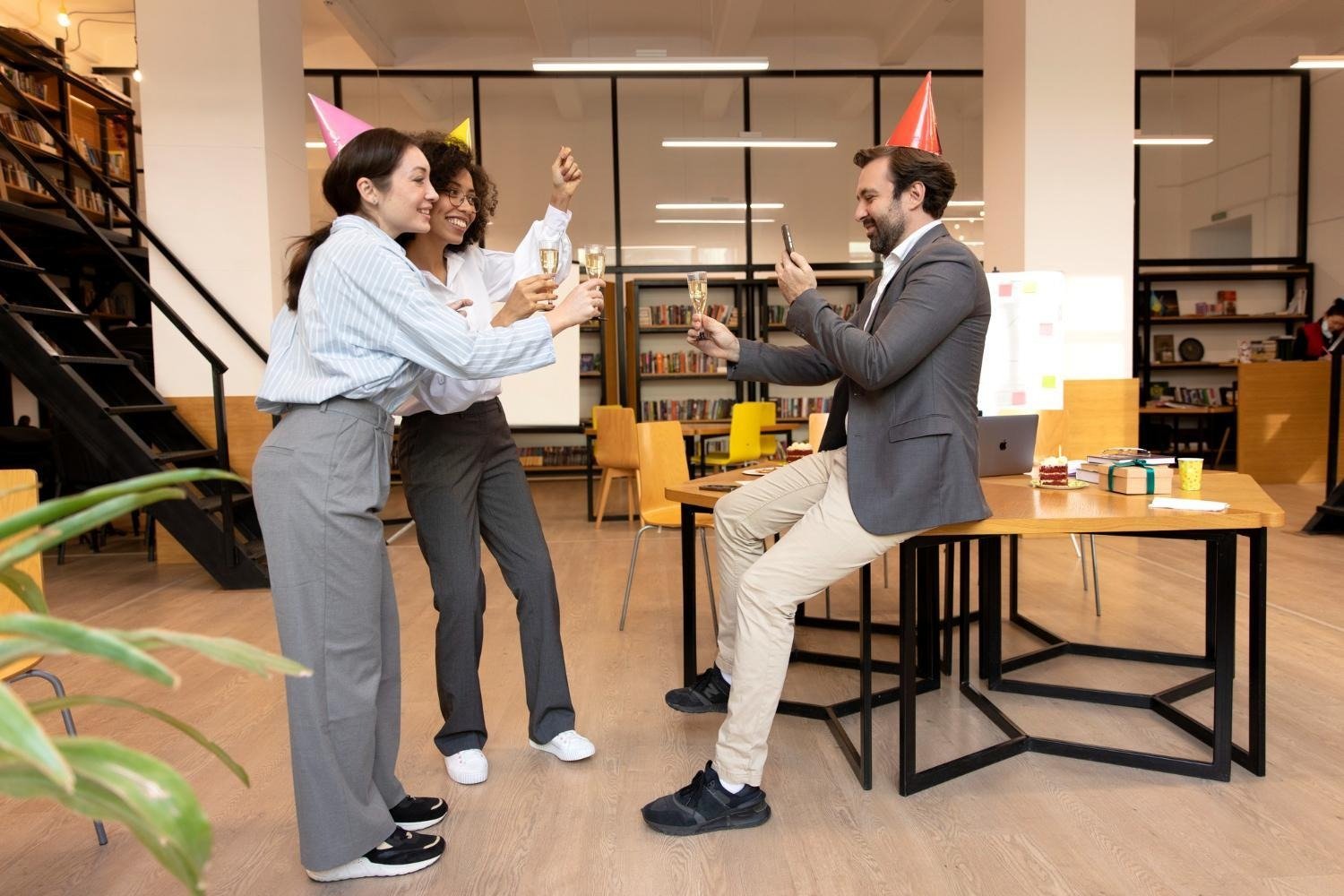
Business events are changing from the traditional presentation, speech and networking sessions. Businesses hope that visitors will engage with the brand, try samples of their products for themselves, and take away a concrete idea of what makes the business special. An immersive product demo, a creative brand activation, and even a pop-up store—these and more can make any corporate event memorable.
Working with an Experiential Marketing Agency can enable companies to bring their brand message to life through experiential events. With a good idea, the audience’s information and event planning, companies can find opportunities to interact with the audience while also working toward specific marketing and business objectives.
1. Transform Product Launches Into Interactive Experiences
Launching a product means that it’s a new product, but the presentation is what will dictate how well people are able to understand the value of it. The use of speakers and slides is not sufficient; businesses can ask the guests to see, test and experience the product themselves.
A technology company could offer guided tours, and a lifestyle brand could develop a space with different product configurations demonstrating how the product fits into the user’s life. Practical demos with live examples, expert-led sessions, hands-on displays allow attendees to gain a more practical understanding of product features.
The format should reflect the product and audience. A major consumer launch might benefit from an immersive installation, whereas a business-to-business launch may work better with focused demonstrations and discussions.
2. Create Brand Activations That Encourage Participation
Brand activations invite people to engage directly with a business rather than simply observe its messaging. They can take place at conferences, trade shows, corporate gatherings, or standalone promotional events.
When it fits the brand, interactive displays, sampling, creative challenges and personal customer interactions are effective options. An interactive display that shows the environmental advantages of a company’s product, for instance, might be created by a company that is concerned with sustainability.
The goal is not to add activities for their own sake. Every interaction should give attendees a meaningful reason to participate and help communicate the brand’s message.
3. Use Technology to Enhance the Experience
Technology can make business events more engaging when it solves a genuine audience need. Augmented reality demonstrations, digital product configurators, live polls, and event applications can help attendees explore information and participate more actively.
QR codes can lead to product specifications, registration forms or downloadable resources, for example, so that guests can access them without having to search through a lot of text. Interactive screens can also assist visitors to consume increasingly complicated product details at their own rate.
However, technology should complement the event rather than distract from it. Businesses should consider accessibility, internet connectivity, ease of use, and technical support before introducing digital features.
4. Plan the Complete Attendee Journey
An engaging event is not defined by one impressive feature. Every interaction, from registration to post-event communication, influences the attendee experience.
Begin by identifying what guests should learn, experience, or accomplish. Then organize the event around those priorities.
- Before the event: Make registration simple, share clear schedules, and explain what attendees can expect.
- During the event: Provide intuitive signage, comfortable networking areas, interactive sessions, and smooth transitions between activities.
- After the event: Post relevant resources, gather feedback and follow up with attendees according to their interests.
5. Measure Engagement Beyond Attendance
Just because there’s a lot of people at a gathering does not necessarily imply that they’ve been successful. When planning, businesses should establish their indicators of success and choose some metrics that reflect their goals.
Depending on the event, these could include product demonstrations completed, qualified leads generated, meetings booked, attendee feedback, and post-event conversions. Social media mentions and content shares can also indicate how far the experience reaches beyond the venue.
The most useful metrics will differ according to the purpose of the event. Product launches can include product trials and qualified sales opportunities, internal corporate events can include employee participation and feedback.
Reviewing these results against the original objectives helps businesses identify successful activities and improve future events.
6. Combine Creative Ideas With Reliable Execution
Even an innovative concept can fall short without effective coordination. Keeping everything from venue to vendor to tech to staff to the timeline to contingencies in line all impact how well an event runs.
KIS(cubed) Events can be considered by businesses seeking professional support for thoughtfully coordinated event experiences. Working with an experienced event planner for corporate events can help bring creative direction and practical logistics together, keeping the event aligned with its intended outcomes.
